
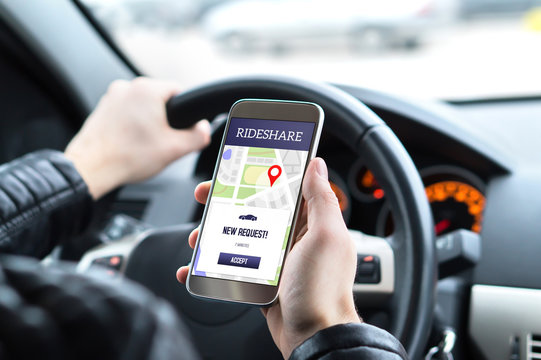
The Unique Complexity of Rideshare Accidents
Apps like Uber and Lyft have revolutionized urban transportation throughout Metro Detroit and across Michigan. While hailing a ride is as simple as tapping a screen, the legal fallout from an accident involving a Transportation Network Company (TNC) is anything but simple. Whether you were a paying passenger in an Uber, a pedestrian struck by a Lyft, or an occupant of another vehicle hit by a rideshare driver, seeking compensation requires navigating overlapping insurance policies and strict corporate legal shields.
Because rideshare drivers operate as independent contractors using personal vehicles, insurance companies frequently engage in extensive fingerprint-pointing to dodge financial liability. Understanding how coverage applies to your accident begins with determining the rideshare driver’s exact status at the precise time of impact.
The Three Insurance Periods in Rideshare Claims
Under Michigan’s Limousine, Taxicab, and Transportation Network Company Act (MCL 257.2101 et seq.), the amount of available insurance coverage fluctuates based on three distinct operational periods:
- Period 1 (App Off): If the driver is logged out of the rideshare app, they are acting as a private motorist. Only their personal auto insurance policy applies.
- Period 2 (App On, Searching for a Fare): Once the driver logs into the app and is available to accept a ride, TNC law mandates contingent liability coverage of at least $50,000 per person / $100,000 per accident for bodily injury, plus $25,000 for property damage if the driver's personal policy denies coverage.
- Period 3 (Ride Accepted to Passenger Drop-Off): From the second a ride request is accepted through the completion of the trip, Uber and Lyft are legally required to provide at least $1,000,000 in primary commercial liability insurance and matching uninsured/underinsured motorist coverage.
Accessing No-Fault PIP Medical Coverage
If you are an injured passenger in an Uber or Lyft, Michigan’s No-Fault system dictates how your medical bills and lost wages are paid. Under state law, injured rideshare passengers first look to their own personal auto policy or a resident relative's policy for Personal Injury Protection (PIP) benefits.
If you do not own a vehicle or live with a family member who has auto insurance, you can claim PIP medical coverage through the Michigan Automobile Insurance Placement Facility (MAIPF) Assigned Claims Plan. Crucially, the $1,000,000 commercial liability coverage provided by Uber or Lyft applies primarily to third-party pain and suffering damages and excess medical costs when the at-fault rideshare driver was negligent.
Why You Need a Dedicated Rideshare Injury Attorney
Tech giants like Uber and Lyft maintain massive legal teams and claims administrators whose sole objective is to reduce payouts. They often claim the driver was off the clock, attempt to shift full blame to third parties, or pressure vulnerable victims into lowball settlements before the true extent of their injuries is fully diagnosed.
At Shiraz Law Firm, we move immediately to secure app data, GPS timestamps, electronic logs, and dashcam recordings to establish exact coverage periods and prove liability. If you or a loved one has been injured in a rideshare crash in Michigan, do not fight multinational corporations alone. Contact us today for a comprehensive, free legal evaluation of your case.