The Automation Wave on Michigan Highways
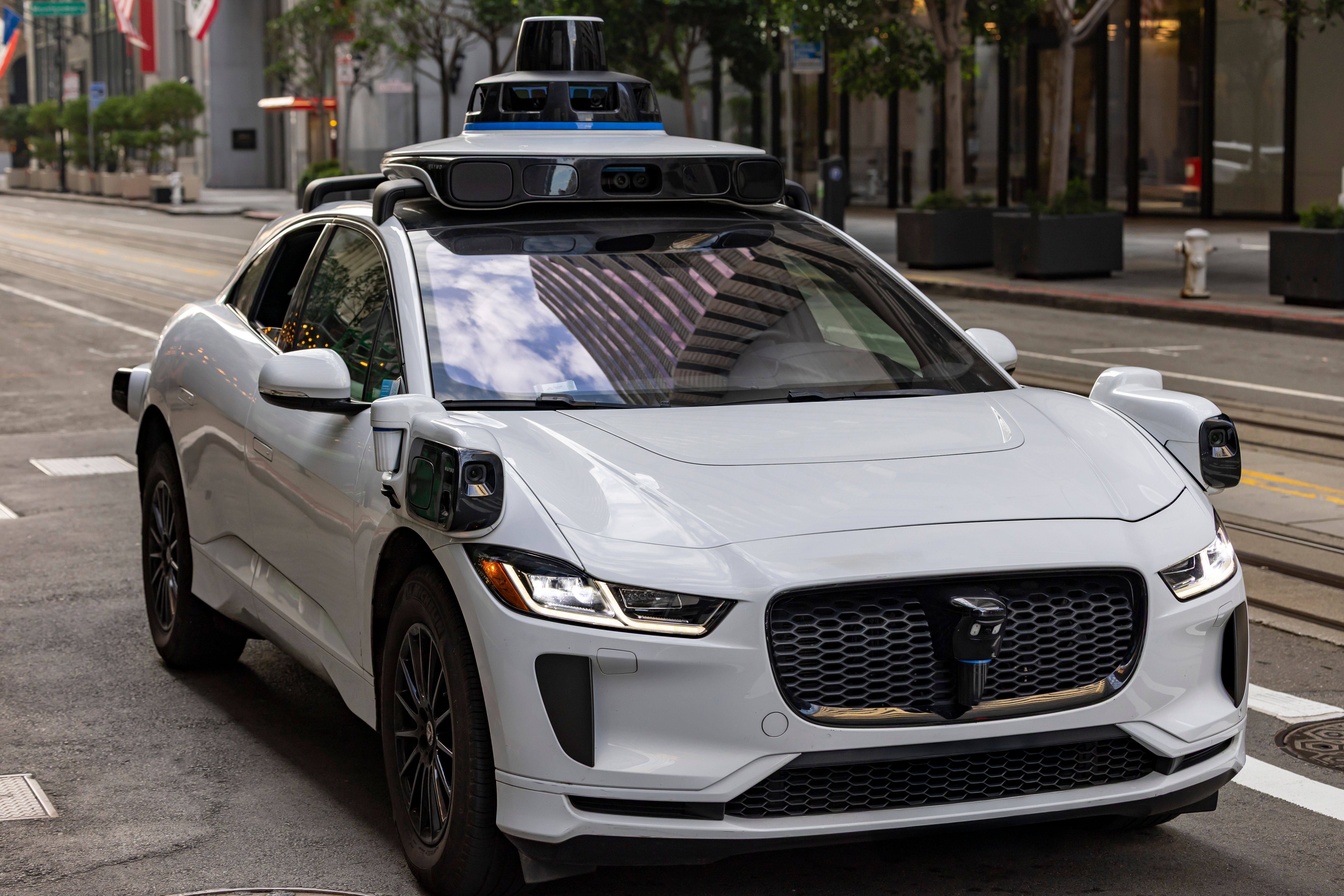
Michigan has long been the heart of the American automotive industry. As car manufacturers push toward total vehicle automation, Metro Detroit has become a primary testing ground for Advanced Driver Assistance Systems (ADAS) and fully autonomous vehicles. From Level 2 hands-free highway driving to fully autonomous taxi fleets testing on local roads, self-driving technology is no longer science fiction—it is operating right beside you on I-96, I-75, and the Lodge Freeway.
While auto manufacturers promise that self-driving algorithms will drastically reduce traffic fatalities, the technology is far from foolproof. Optical sensors get blinded by Michigan snowstorms, software glitches misinterpret road construction zones, and phantom braking can trigger major pileups. When a semi-automated or autonomous car causes a catastrophic crash, victims are left asking a ground-breaking legal question: who is legally responsible when there was no human actively holding the steering wheel?
Human Error vs. Product Defect
Determining liability in an autonomous vehicle crash depends heavily on the vehicle's SAE Automation Level (ranging from Level 1 driver assistance to Level 5 full automation). In most consumer vehicles available today, features like lane-keeping assist and adaptive cruise control are considered Level 2 or Level 3 systems. Under current Michigan law, the human sitting in the driver's seat is still legally required to remain attentive and ready to take control at a second's notice.
Because of this, auto manufacturers and their defense attorneys aggressively shift blame onto the human occupant, arguing that they were distracted, relying too heavily on the system, or failed to take over when prompted. However, if the crash was caused by a system failure—such as a failing LIDAR sensor, a sudden software bug, or a mechanical flaw in the drive-by-wire system—the case transforms from a standard auto negligence claim into a complex Product Liability Lawsuit against the automaker or software developer.
Navigating Michigan's AV Legislation
Michigan is one of the few states with specific statutes regulating autonomous vehicles, such as the SAVE Project act under the Michigan Vehicle Code. State law allows automated driving systems to operate without a human driver inside under specific testing and operational frameworks, provided the manufacturer assumes liability for damages caused by the automated system while it is actively engaged.
Despite these statutory frameworks, fighting a multinational automaker requires massive resources. Tech companies and auto giants use non-disclosure agreements, proprietary software protections, and complex arbitration agreements to hide critical telemetry data from crash victims. To win, your legal team must know how to legally compel the release of onboard computer logs, video sensor streams, and code diagnostics.
Uncovering the Digital Fingerprints
In a self-driving car crash, traditional physical evidence like skid marks tells only a fraction of the story. The most vital evidence is purely digital. At Shiraz Law Firm, we work directly with forensic software engineers and automotive experts to secure critical data points immediately following a crash:
- System Engagement Logs: Proving whether the automated driving software was engaged at the exact millisecond of impact.
- Driver Monitoring System (DMS) Data: Infrared cabin camera records showing whether the vehicle issued a mandatory "takeover request" to the human driver and how many seconds were provided to react.
- Sensor and Camera Feeds: Raw LIDAR, radar, and optical camera footage recorded by the vehicle to reconstruct what the car's computer "saw"—or failed to see—prior to the collision.
- Over-The-Air (OTA) Update History: Investigating whether a recent software patch introduced bugs or disabled critical safety features.
Fighting Big Tech and Auto Giants
If you or a loved one has been injured in a crash involving an autonomous or semi-autonomous vehicle, do not expect a standard insurance adjuster to handle your claim fairly. Automakers will protect their technological reputation at all costs and will deploy armies of lawyers to shift blame away from their systems. At Shiraz Law Firm, we have the technical knowledge and legal aggression needed to hold automakers, software developers, and negligent drivers accountable. Contact us today for a comprehensive evaluation of your autonomous vehicle crash claim.