The Legal Pendulum Swings Again
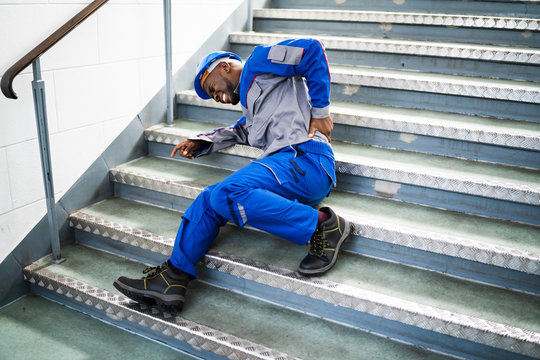
For decades, Michigan was known as one of the hardest states in the country to win a slip-and-fall case. This was due to the 'Open and Obvious' doctrine—a legal shield that allowed judges to throw out cases if a hazard was so visible that an 'average person' should have seen and avoided it. In 2023, the Michigan Supreme Court finally leveled the playing field, ruling that an obvious danger doesn't automatically get a landlord off the hook.
However, as of early 2026, the legislative landscape is shifting once more. With the introduction of House Bill 4582, there is a major push to codify the 'Open and Obvious' defense back into state law. At Shiraz Law Firm, we are closely monitoring these developments to ensure our clients aren't stripped of their right to a jury trial by corporate-backed legislation.
Why the 'Open and Obvious' Defense is Dangerous
The problem with the old standard was its rigidity. If you slipped on a patch of black ice in a poorly lit parking lot, or tripped over a jagged piece of carpet in a retail store, defense attorneys would argue that you simply weren't looking where you were going. Under the old rules, even if the property owner was 90% negligent for failing to maintain the premises, the 'obvious' nature of the danger could result in a 100% dismissal of your case.
The 2023 ruling changed this to a Comparative Fault system. This means that even if a danger is obvious, a jury gets to decide the percentage of fault for both parties. For example, if a store leaves a spill in an aisle for three hours, they are still largely responsible, even if a customer might have seen it. The new 2026 legislative efforts seek to take that power away from juries and give it back to judges to dismiss cases before they ever reach a courtroom.
Navigating the 2026 Legal Standard
If the new Premises Liability Act passes the Senate and is signed into law, the 'Open and Obvious' doctrine will return as a 'question of law' rather than a 'question of fact.' This sounds like legal jargon, but the impact is massive: it makes it much harder for victims to get past the initial motion to dismiss. To win in this new environment, your legal team must prove one of two things:
- Effectively Unavoidable: You had no choice but to encounter the hazard (e.g., the only exit from a building was blocked by ice).
- Unreasonably Dangerous: The hazard posed such a high risk of severe harm that its 'obviousness' shouldn't matter (e.g., an unguarded 10-foot drop in a dark hallway).
Protecting Your Claim Today
Because Michigan's premises liability laws are currently in a state of flux, the timing of your accident and when you file your claim are more critical than ever. The law that applies to your case may depend on exactly when the injury occurred and whether the new statutes are deemed retroactive. If you’ve been injured on someone else's property, do not wait. Evidence like security footage and witness statements disappears quickly, and the window for filing under the more favorable 2023 standards could be closing. Shiraz Law Firm is here to navigate these complex legislative waters and fight for the accountability you deserve.