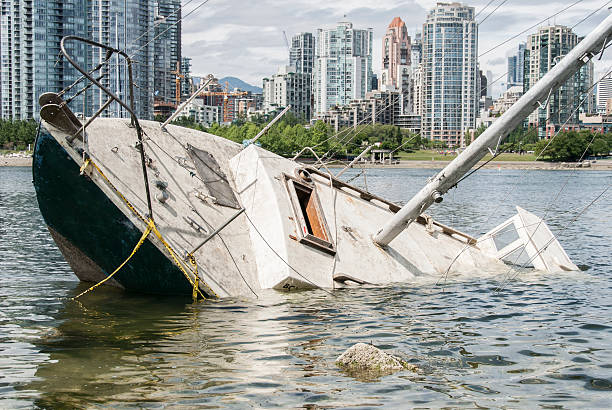
Summer Fun Turned Tragic
For residents of Harrison Township, St. Clair Shores, and Grosse Pointe, summer means one thing: getting out on the water. Lake St. Clair is one of the busiest waterways in the Midwest. On any given weekend, the water is packed with cruisers, speedboats, sailboats, and jet skis, all jostling for space near Metro Beach or Muscamoot Bay.
Unfortunately, this density leads to severe accidents. A boat has no brakes. It has no seatbelts. And often, the operators have very little training. When two vessels collide on the water, the injuries are often catastrophic, ranging from propeller lacerations and broken bones to drowning and traumatic brain injuries. But legal liability on the water is not the same as it is on I-94. Boating accidents involve a mix of Michigan state statutes, Department of Natural Resources (DNR) regulations, and sometimes even Federal Maritime Law.
The Rules of the Water: Negligence Afloat
Just like on the road, boat operators owe a duty of care to their passengers and other boaters. To win a boating accident case in Michigan, we must prove that the operator was negligent. Common examples of negligence on Lake St. Clair include:
- Speeding in No-Wake Zones: Ignoring markers near marinas or channels is a primary cause of collisions.
- Overcrowding: Every vessel has a weight and passenger limit. Exceeding this makes the boat unstable and difficult to maneuver.
- Lack of Lookouts: Unlike a car, a boat often has blind spots created by the bow rising during acceleration. failing to have a "spotter" is a breach of duty.
- Wake Jumping: This is particularly common with Personal Watercraft (PWC) or Jet Skis. Jumping the wake of a larger vessel is illegal if done too close, and it is incredibly dangerous.
BUI: The Alcohol Factor
Culturally, boating and drinking often go hand-in-hand. However, legally, they are oil and water. Michigan's BUI (Boating Under the Influence) laws are virtually identical to DUI laws for cars. The legal limit is 0.08 BAC.
However, the effects of alcohol are magnified on the water. The sun, the wind, the vibration of the engine, and the dehydration create a phenomenon known as "boater's fatigue." A driver who blows a 0.05 might be physically impaired enough to crash. At Shiraz Law Firm, we aggressively investigate the role of alcohol in boating crashes. We subpoena receipts from waterfront bars and restaurants to trace the timeline of consumption leading up to the crash.
The "Guest Passenger" Complication
If you are injured while riding as a guest on a friend's boat, it can be socially awkward to file a claim. You might worry about suing your friend. It is important to remember that, in almost all cases, we are pursuing the boat owner's insurance policy, not their personal bank account.
Boat insurance is not mandatory in Michigan (unlike car insurance), but most responsible owners, and certainly anyone with a loan on their boat, carry liability coverage. This coverage exists specifically to pay for medical bills and pain and suffering if a guest is injured due to the captain's negligence.
Jet Ski (PWC) Accidents
Personal Watercraft accidents are among the most severe we handle. Because the rider is completely exposed, a collision with a boat or a dock often results in spinal cord injuries or severe head trauma. Michigan law has specific age restrictions and training requirements for PWC operators. If a parent allows an underage, untrained child to operate a Jet Ski and they cause an accident, the parents can be held liable for Negligent Entrustment.
Evidence Sinks
The biggest challenge in boating cases is evidence preservation. In a car crash, there are skid marks and debris patterns on the road. In a boat crash, the evidence literally floats away or sinks. There are rarely traffic cameras on the lake.
This makes immediate investigation vital. We work with marine safety experts to reconstruct accidents based on GPS data from chart plotters, damage profiles on the hulls, and witness testimony from other boaters. If you are injured on the water this summer, do not assume it was "just a freak accident." Call Shiraz Law Firm to understand your rights under Michigan's marine laws.